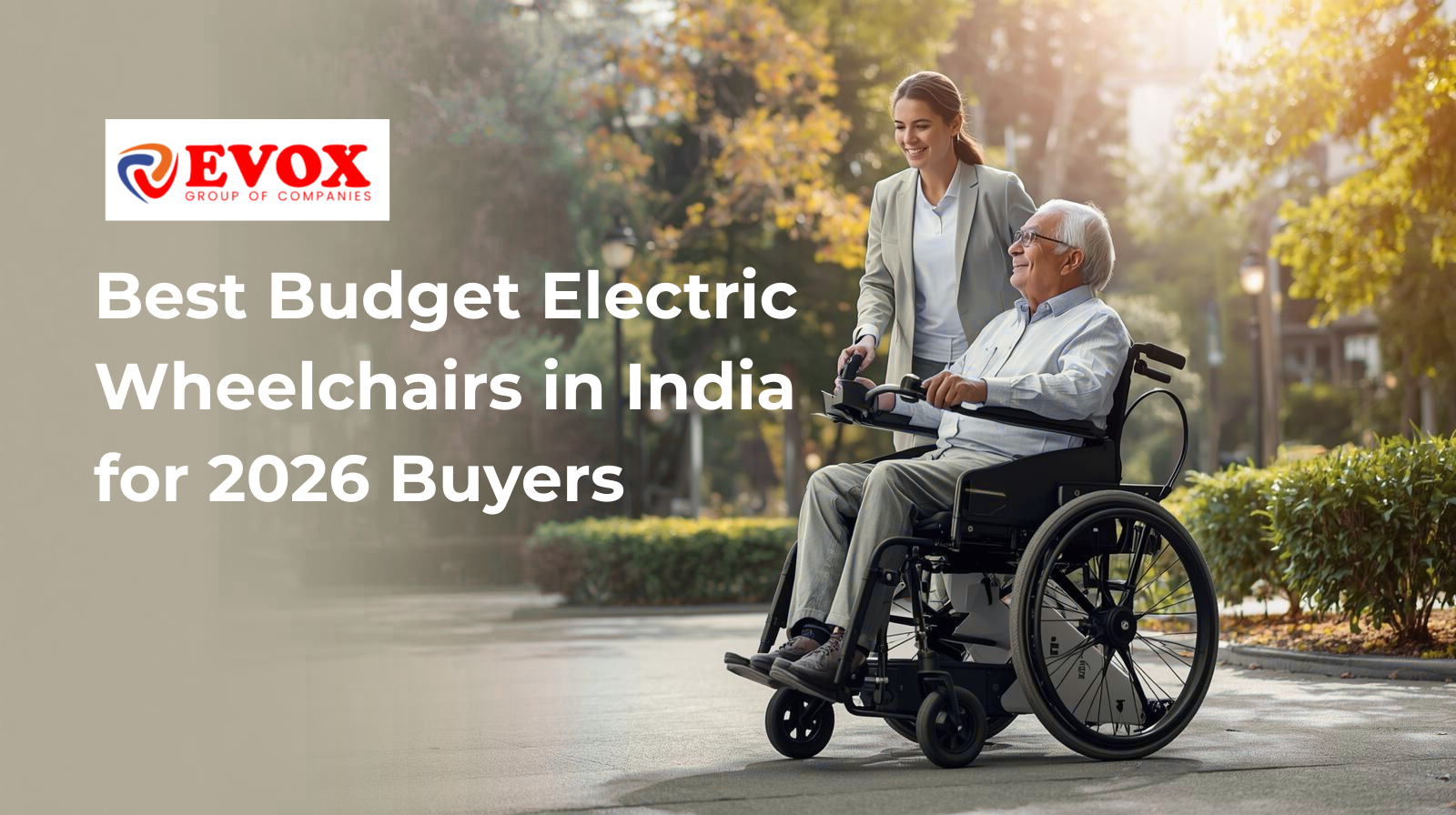
When Mrs. Sharma’s husband suffered a stroke last year, she found herself standing in a medical equipment store, overwhelmed by choices. “Should we get a manual wheelchair or invest in an electric one?” she wondered, worried about both his independence and their budget. If you’re facing this same difficult decision, you’re not alone.
Choosing the right wheelchair for stroke recovery isn’t just about mobility – it’s about dignity, independence, and hope for the future. The decision between a manual and electric wheelchair can significantly impact not just the patient’s quality of life, but also the entire family’s daily routine and emotional well-being.
This comprehensive guide will walk you through everything you need to know about both options, helping you make an informed decision that best serves your loved one’s recovery journey. Whether you’re looking for immediate support or long-term independence, we’ll explore which wheelchair type aligns with your specific needs and circumstances.
Ready to see our top recommendations? If you want to skip ahead to our Top 3 Evox Electric Wheelchair picks specifically designed for stroke patients, scroll down to section 7.
Why Choosing the Right Wheelchair Matters for Stroke Recovery
The aftermath of a stroke brings numerous challenges, but perhaps none more immediate than mobility limitations. According to recent studies, nearly 80% of stroke survivors experience some form of mobility impairment, making the choice of assistive device crucial for their recovery and mental health.
Limited mobility doesn’t just affect physical movement – it impacts every aspect of life. Stroke survivors often struggle with decreased independence, leading to feelings of frustration, depression, and social isolation. The right wheelchair can be the bridge between dependency and reclaiming one’s life.
Safety is another critical factor. Stroke patients frequently experience muscle weakness, balance issues, and fatigue. A poorly chosen mobility aid can increase fall risk and potentially cause additional injuries. On the other hand, the appropriate wheelchair provides stability, confidence, and the security needed to navigate daily activities safely.
The psychological impact cannot be understated. When stroke survivors can move around independently, even within their home, it significantly boosts their confidence and motivation for further recovery. This emotional lift often translates into better participation in physical therapy and faster overall rehabilitation progress.
For families seeking comprehensive guidance on wheelchair selection, our detailed guide on Best Wheelchairs for Stroke Patients in India provides additional insights into making the right choice for your specific situation.
Manual Wheelchair for Stroke Patients: The Traditional Choice
Manual wheelchairs have been the go-to mobility solution for decades, and for good reason. They offer several advantages that make them suitable for certain stroke recovery situations.
Advantages of Manual Wheelchairs
Affordability is perhaps the biggest draw. Manual wheelchairs typically cost between ₹8,000 to ₹25,000, making them accessible to most families facing the financial strain that often accompanies medical emergencies.
Lightweight and portable, most manual wheelchairs can be easily folded and transported in cars, making them ideal for families who need to travel frequently for medical appointments. They don’t require any power source, eliminating concerns about battery life or charging infrastructure.
Low maintenance is another significant benefit. Unlike electric models, manual wheelchairs have fewer components that can break down, resulting in lower long-term maintenance costs and greater reliability.
Immediate availability means you can purchase and start using a manual wheelchair the same day, without waiting for customization or delivery of specialized components.